05:00 before dawn
Scheduling for anything with limited time
We learned to tell time. Now we can hold it.
In schedule-bit each hour exists once: taken or free, never both. So a room, a machine or a person’s day can’t be booked twice.
Every hour of 2026, over Greenwich
8,760 hours, one cell each, lit by the sun’s real height in the sky. One of them is taken.
Pick any hour and take it.
06:00 first light
3,500 years of clocks
Every clock ever made tells you the hour. Then the hour is gone.
-
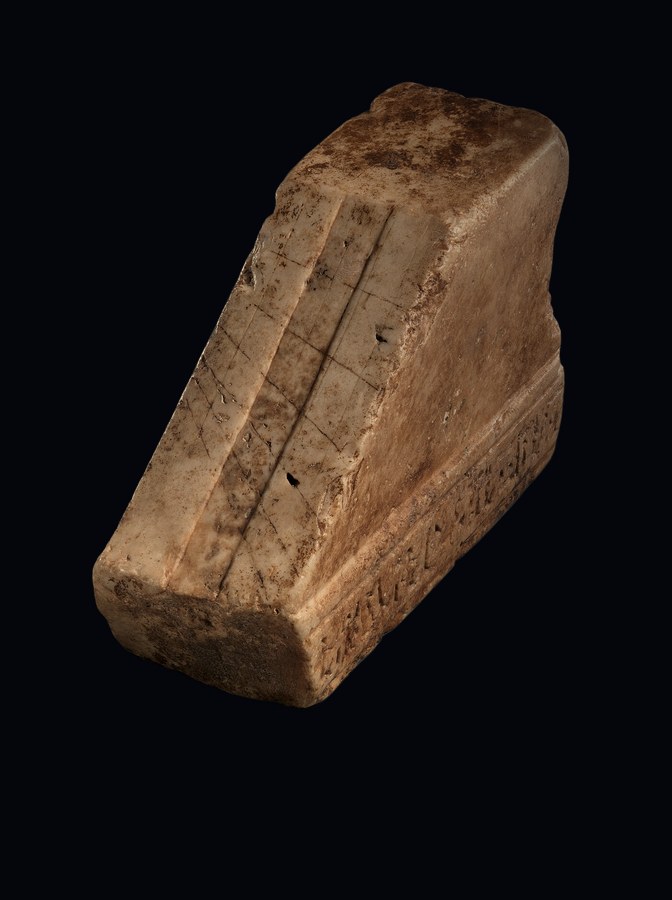
From c. 1500 BCE · Egypt
The shadow clock
A shadow tells you the hour. Then the sun moves on.
-

From c. 1400 BCE · Egypt
The water clock
Water measures the hour. Then the bowl runs dry.
-
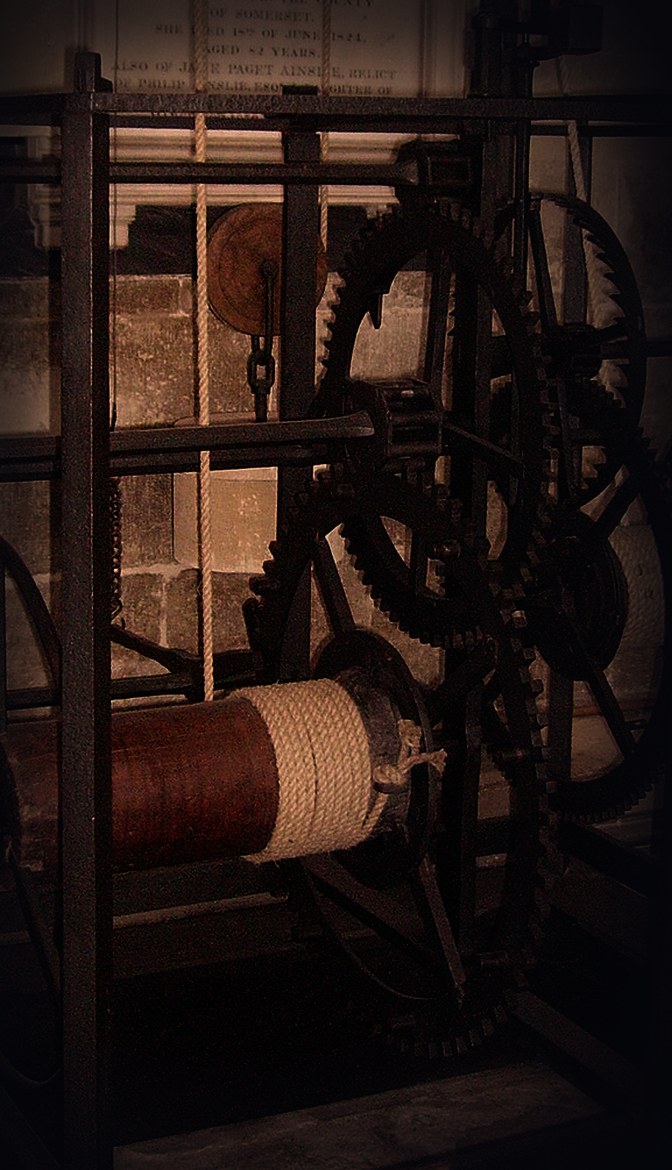
From c. 1300 · Europe
The tower clock
A bell gives a whole town the hour. Then it goes quiet.
-

1955 · Teddington
The atomic clock
Atoms measure the second almost perfectly. It passes all the same.
-
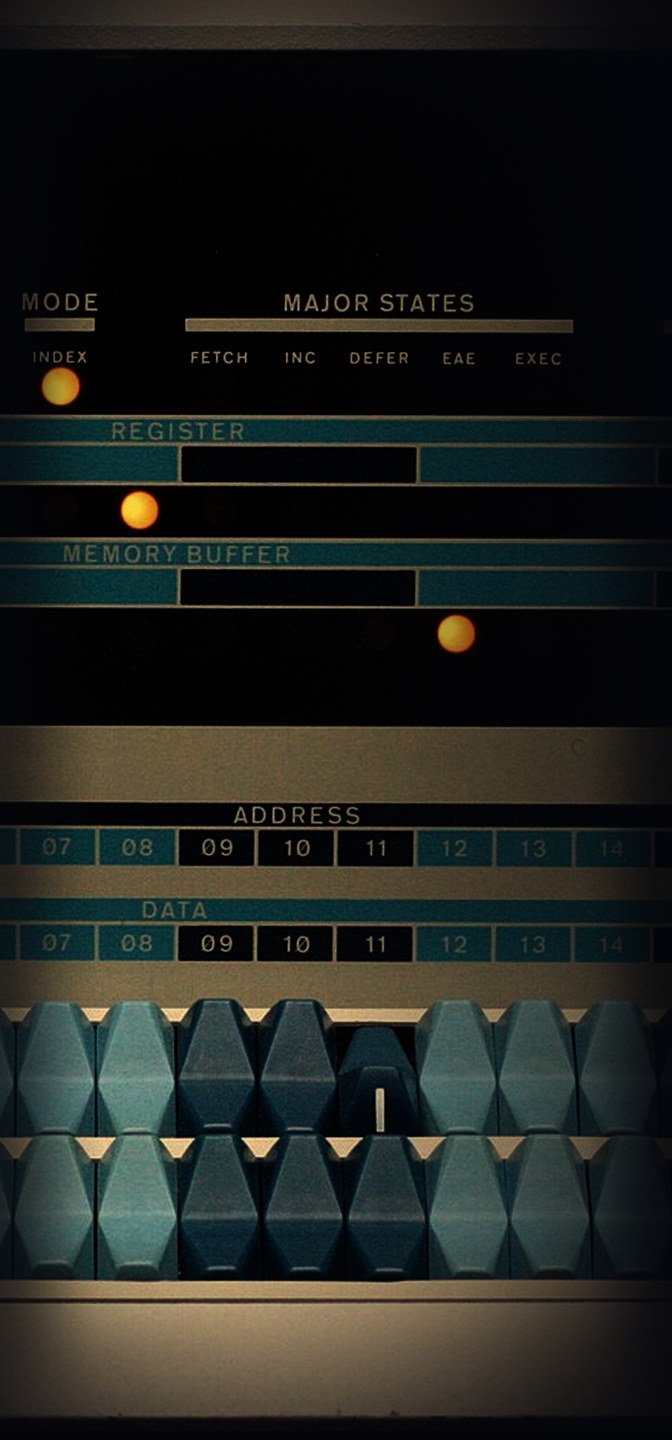
From 1970 · Computers
The computer clock
Machines count each second from 1 January 1970. They can’t keep one.
09:00 morning
So we wrote
it down.
Calendars, booking systems, spreadsheets. Each one is a list of notes about time: who, where, from when to when.
But a note can’t stop another note. Software has to read the list before it writes, and when two people book at the same moment, both can read “free”.
One hour, promised twice.
Someone finds out at the door.
Two yeses. One room.
12:00 noon
What’s different
So we got rid of the notes.
Now each hour exists once.
Lina
asks for Thursday, 10:00
✓ Booked. It’s yours.
10:00
Sam
asks at the same moment
✕ Taken. Free next: 11:00.
Room 1’s Thursday 10:00 is one thing, and it’s either taken or free.
The first person gets it.
Everyone else gets a clear no and the next free time.
13:00 after noon
See one hour
or a whole year.
An hour sits in a day, a day in a month, a month in a year. Check a single hour or look across the whole year, all in one place.
- One hour1 hour
- One day24 hours
- One month720 hours
- One year8,760 hours
15:00 afternoon
Find a time
Stack any schedules and
the free time shows through.
Every hour is marked taken or free, so finding a time stops being a search. Hold a doctor’s day, a room’s day and a van’s day up to the light. Wherever it gets through, all three are free.
All three free
11:00 to 13:00 and 16:00 to 18:00
Switch a schedule off, or change any hour, and watch what’s left.
What this lets you do
See everything you can do →Book any resource
Rooms, machines, people, vans, studio time. Ask for a time and get an answer straight away.
Holds, waitlists and priority
Hold a time while someone decides; it lets go on its own if they don’t. Let emergencies go first.
One job, many teams
Make, print, deliver. Book every step in order, with the waiting time in between.
Share availability, keep control
Partners can see when you’re free and send you requests. Only you say yes.
Hear about every change
Your systems know about each booking the moment it happens.
Ask in plain words
Tell an assistant “find Omar two free hours on Friday” and watch it set up your schedule.
17:00 golden hour
Anything with limited time
A clinic’s rooms. A studio’s classes. A workshop’s machines. A fleet’s vans. A factory’s shifts. A loading bay’s afternoon. An agency’s people.
schedule-bit is an API: your developers connect it to the booking site, app or tools you already use.
Developer docs →20:00 nightfall
A history you can trust
The day ends.
The record stays.
Every booking and every change is kept, in order. Go back to any day and see who had which hour, and when it changed. Past bookings can’t be quietly edited.
No double bookings
Even when many people book at once.
Always an answer
A yes, or a clear reason why not. Never silence.
Nothing lost, nothing rewritten
Every change is kept.
Safe to retry
Send the same booking twice by accident, and it counts once.
Your data stays yours
Each workspace is walled off.
Partners can be offline
Requests wait, in order, and arrive when they’re back.
24:00 midnight
Your next hour is free.
Sign up with your email and get your own workspace and access key. Then book, hold and clash in the live playground, or in your own app.
Free on the Developer beta. Starter from $19 a month. See plans and prices →